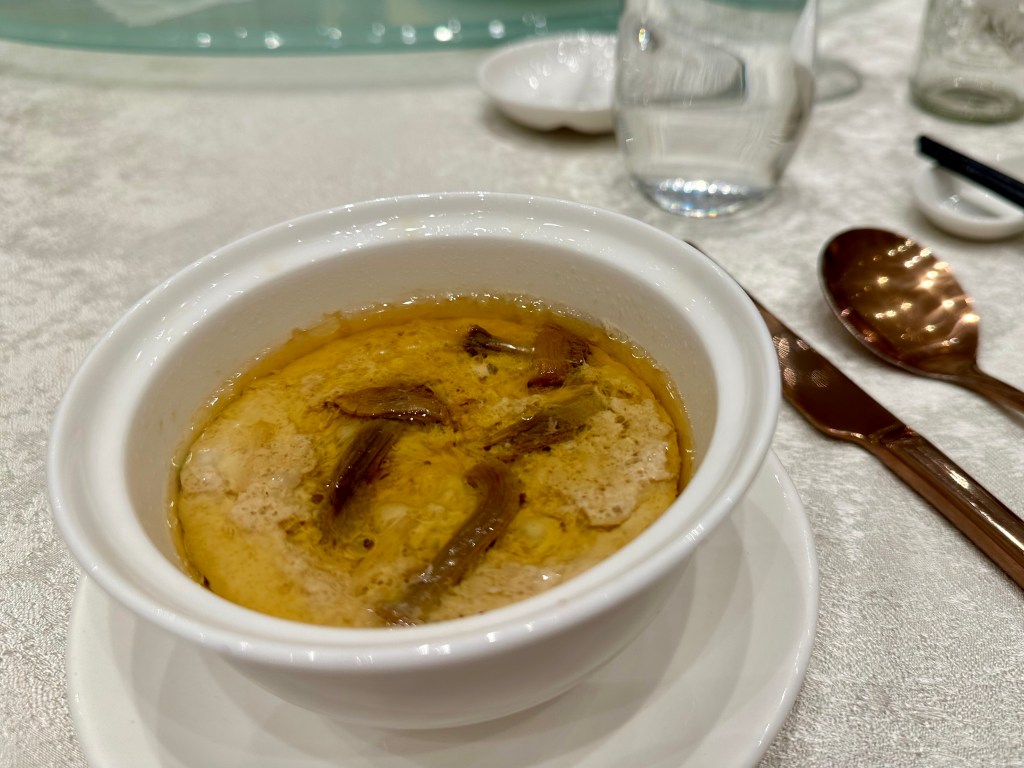
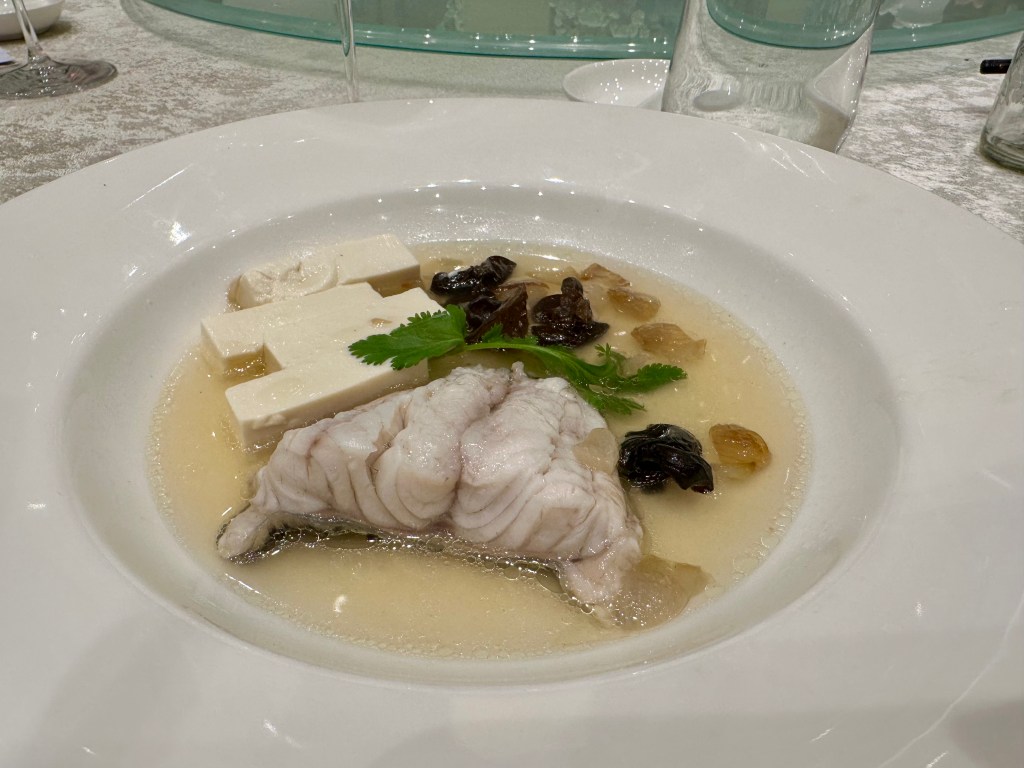
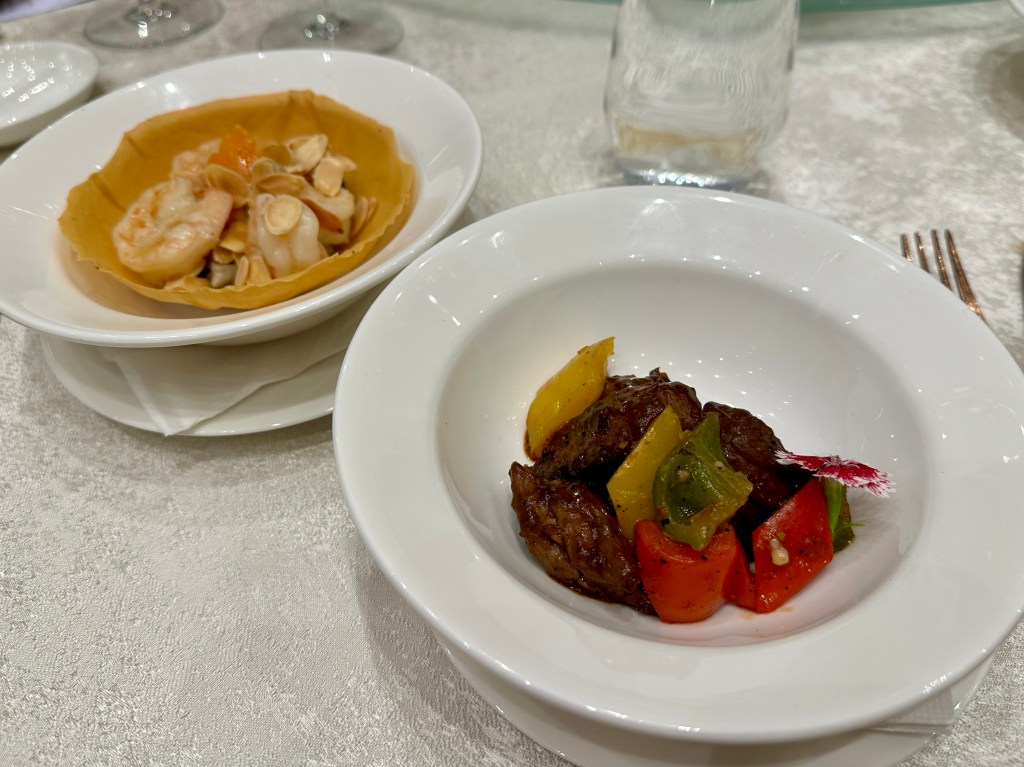
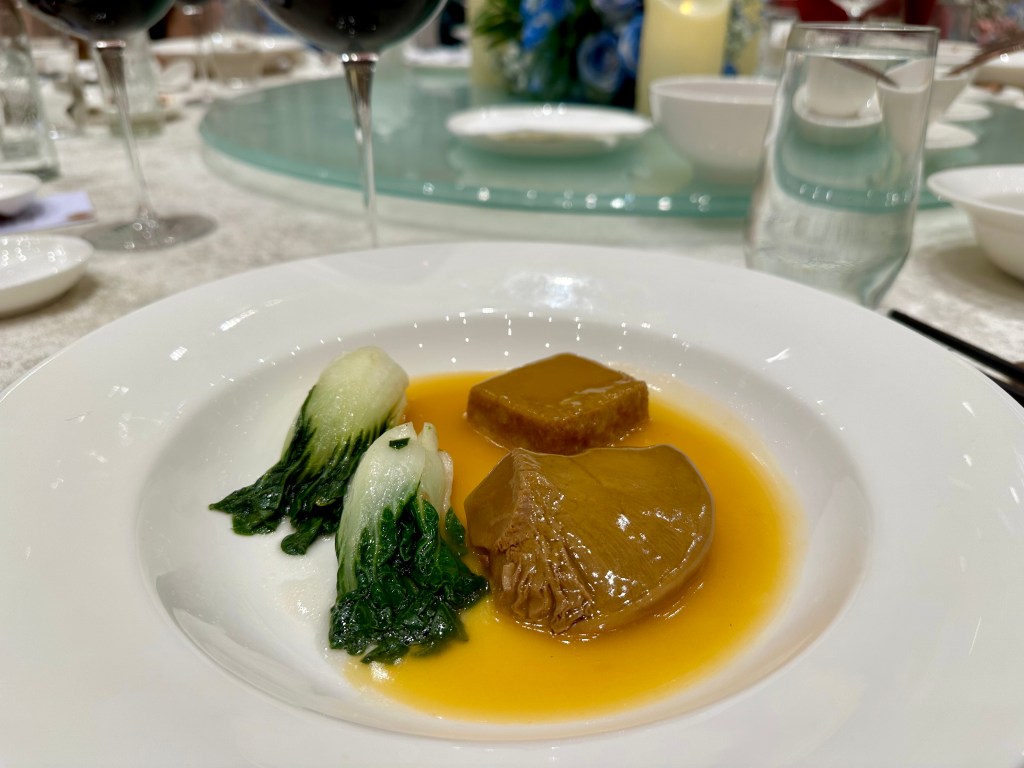
Clockwise from bottom right: Char Siu Pork, Peking Duck, Marinated JellyfishOrganic Chicken Soup w/ Double-Boiled Dried Matsutake MushroomsSteamed Grouper w/ Wood Ear Mushrooms and TofuLeft to right: Sautéed Prawn w/ Sliced Almonds on Fried Bird Nest, Sautéed Black Pepper Beef w/ Bell PepperBraised Mushroom, Black Tofu, Baby Bok Choy w/ Oyster SauceHokkien-Style Seafood Braised RiceMenu whipped up by The Chinese National.
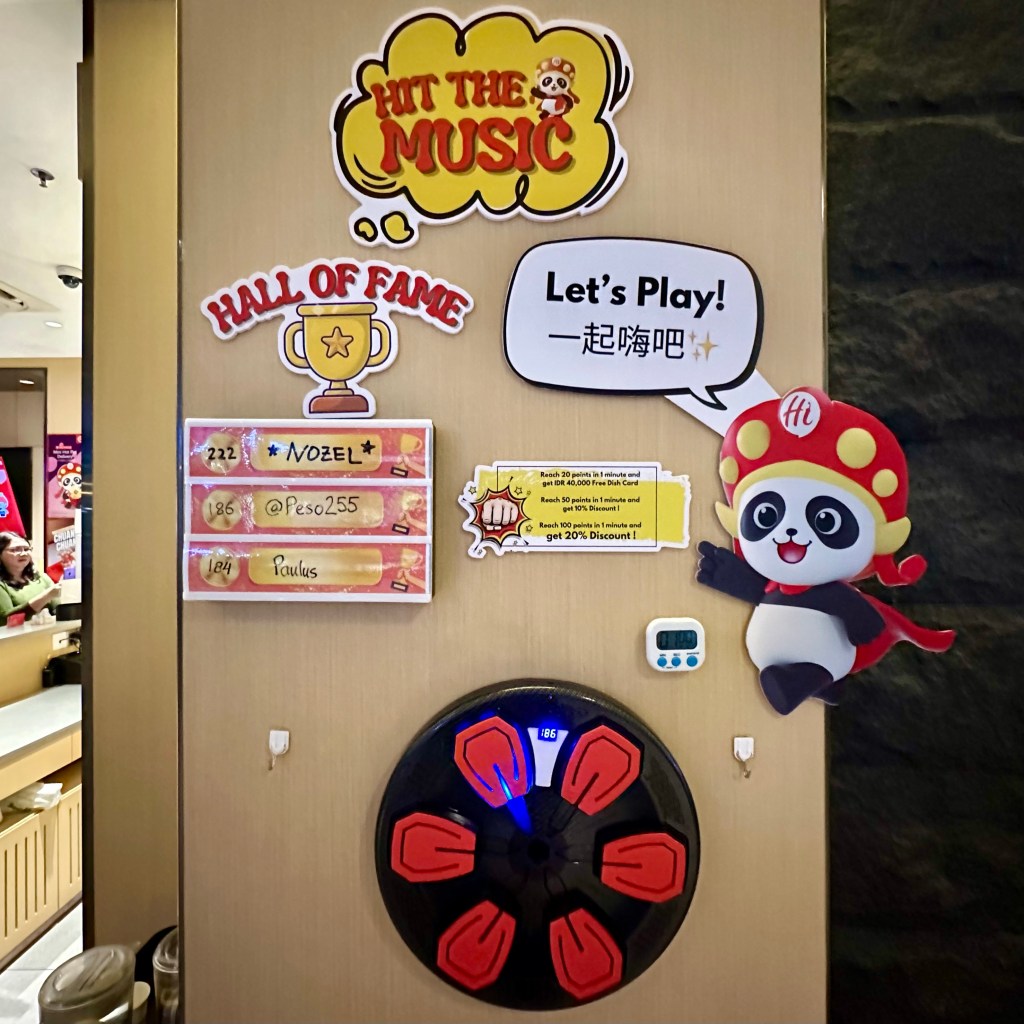
After such a long time of seeing reels on Instagram, I finally tried dining at Haidilao. Apart from having a huge menu, I’m simply surprised by the loads of free stuff offered on the side, from free chips and ice cream while you wait, to a full-blown nail salon and shirt tie-dyeing! One thing that caught my eye was the boxing challenge to get up to 20% off the bill. Had a few practice rounds before I did an attempt, but fortunately someone who went before me showed the best trick: repeatedly hitting the last two spots where the lights appeared to rapidly get points. Thanks to that, I got on the leaderboard and that 20% discount. From the large bill racked up by the family group that night, the 20% really added up.
Suspicious about how legitimate the “wagyu” is when looking at the menu here., but this is actually super tender, and the garlic with chilli oil just adds a “zing” to the rich meat.
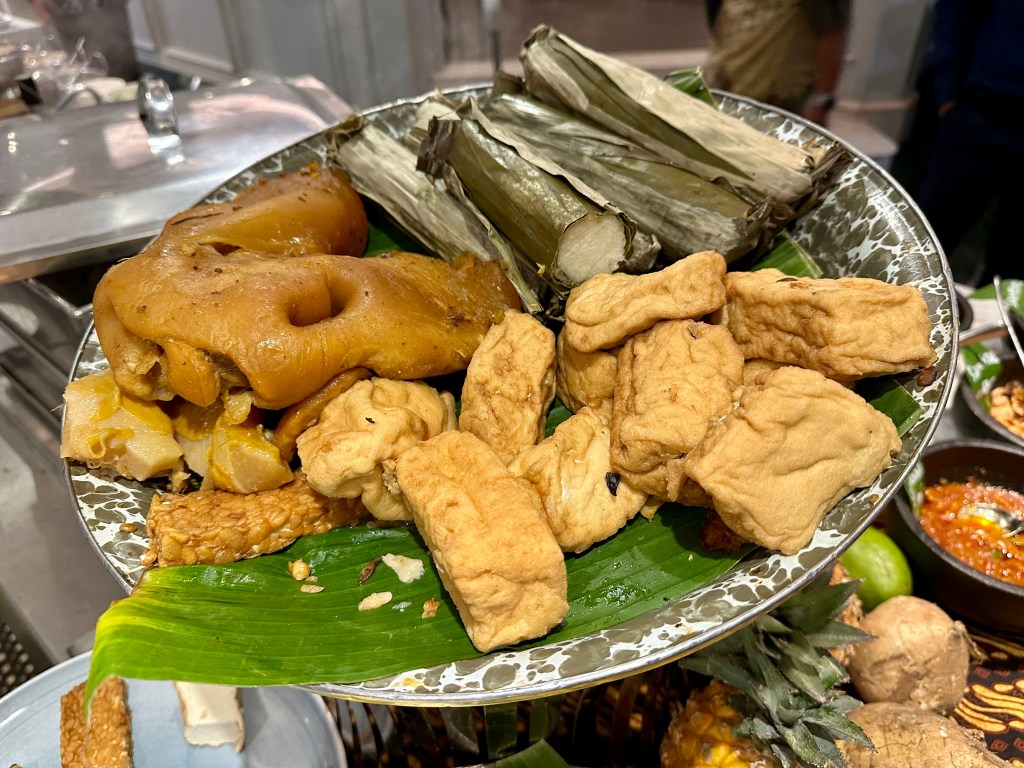
A Surabaya specialty, a “cow nose” salad is probably the closest English translation. It tastes a lot like the more ubiquitous “gado gado” with the same peanut sauce and accompaniments, but the addition of a cow’s snout is a measure to use as much of the animal as possible in the midst of hardship during colonial-era Indonesia. Ironic to be eating this at a fancy hotel. For those wondering, the nose itself tastes jelly-like and not gamey thanks to the peanut sauce, but overall I would not have this again.
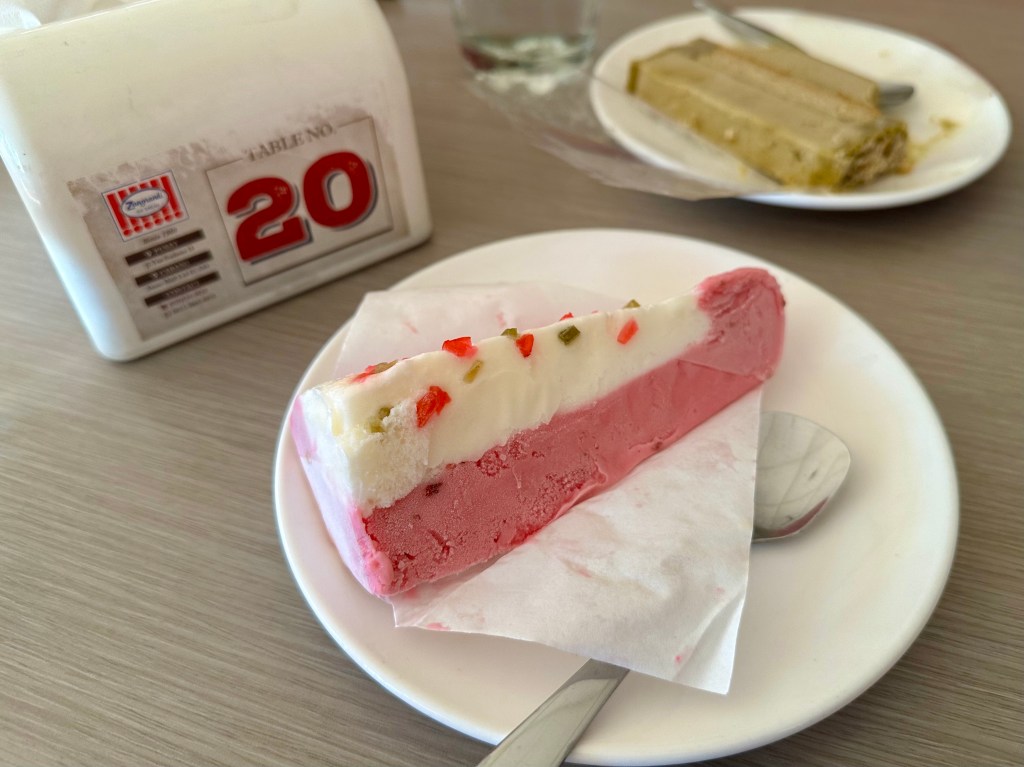
I haven’t visited Surabaya in many years, and even then never tried this ice cream shop, which had apparently been standing since 1930. Come for the colonial-era decor and old-style ice cream (not my personal favorite, but worth trying at least once), stay for the steamed peanuts you get from the sidewalk.
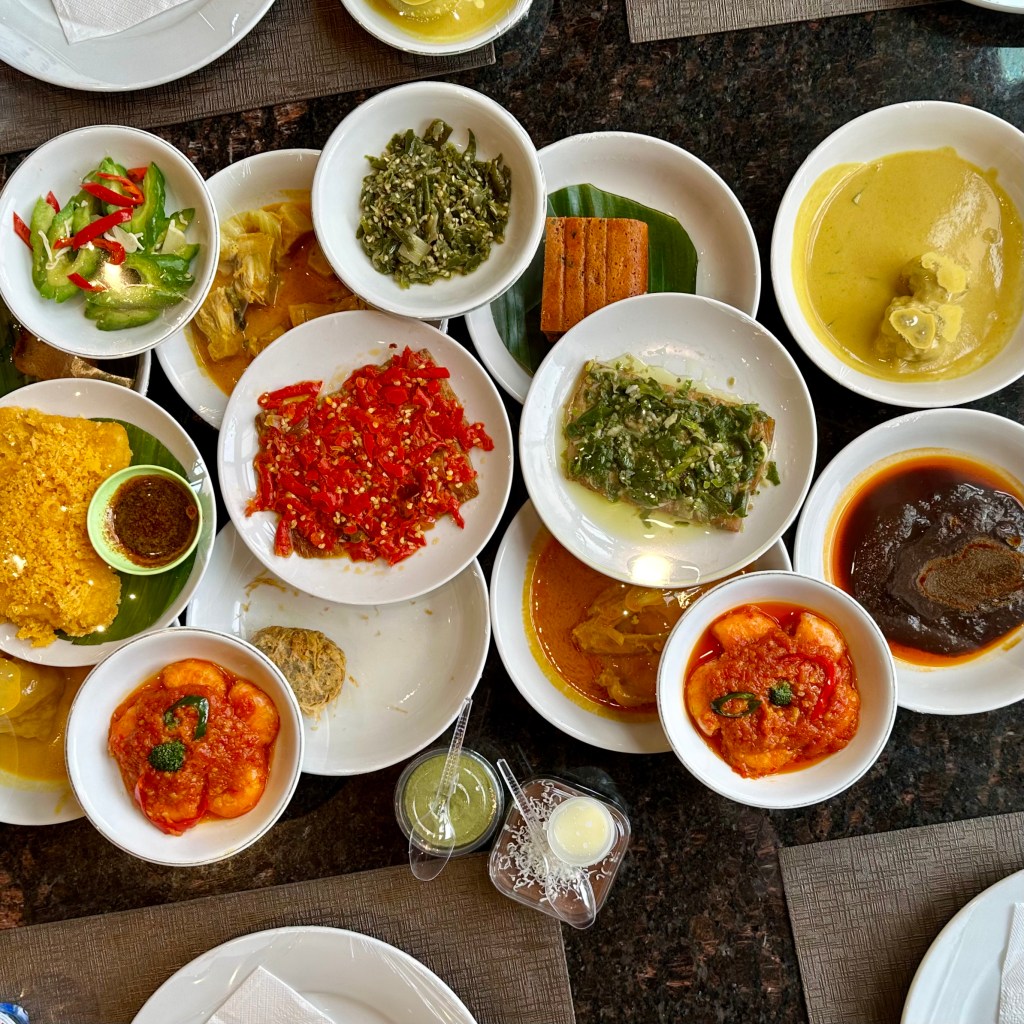
Padang restaurants in Indonesia are known for their “feast” style of serving, with small plates of side dishes stretching wide and/or piled high. Fortunately, you only pay for what you actually eat. While Pagi Sore is definitely the more upscale as far as Padang restaurant chains go, I still managed to grab a whole feast of ayam pop, rendang, empal, perkedel, cassava leaves, jackfruit, rice and sambal for just over $10 per person. Plenty of other chain and individual Padang restaurants across Indonesia offering the same large fare, usually for even less.
They’re definitely hotter than your man, and have the taste to match. The queues are definitely crazy in their main store in Canggu, but fortunately they’ve opened up branches in other places and Indonesian cities – can’t say whether those are good though, I haven’t tried the other branches.






 Peso
Peso
You must be logged in to post a comment.